
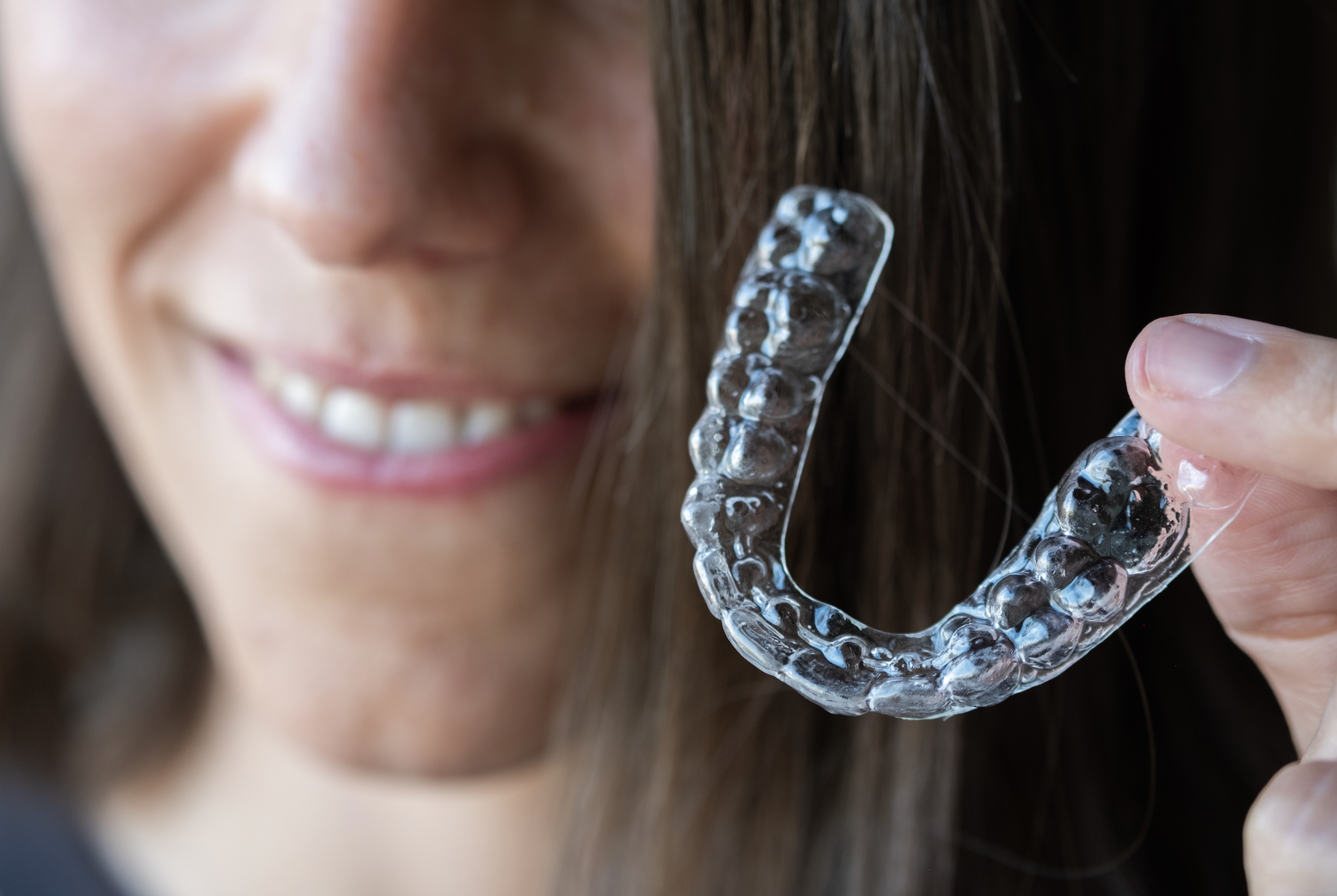


What Happens at a Clear Aligner Consultation in Pascoe Vale?
Your initial consultation is an opportunity to discuss your concerns, ask questions and find out whether clear aligners may be appropriate for you.
During your appointment, your dentist may do the following:
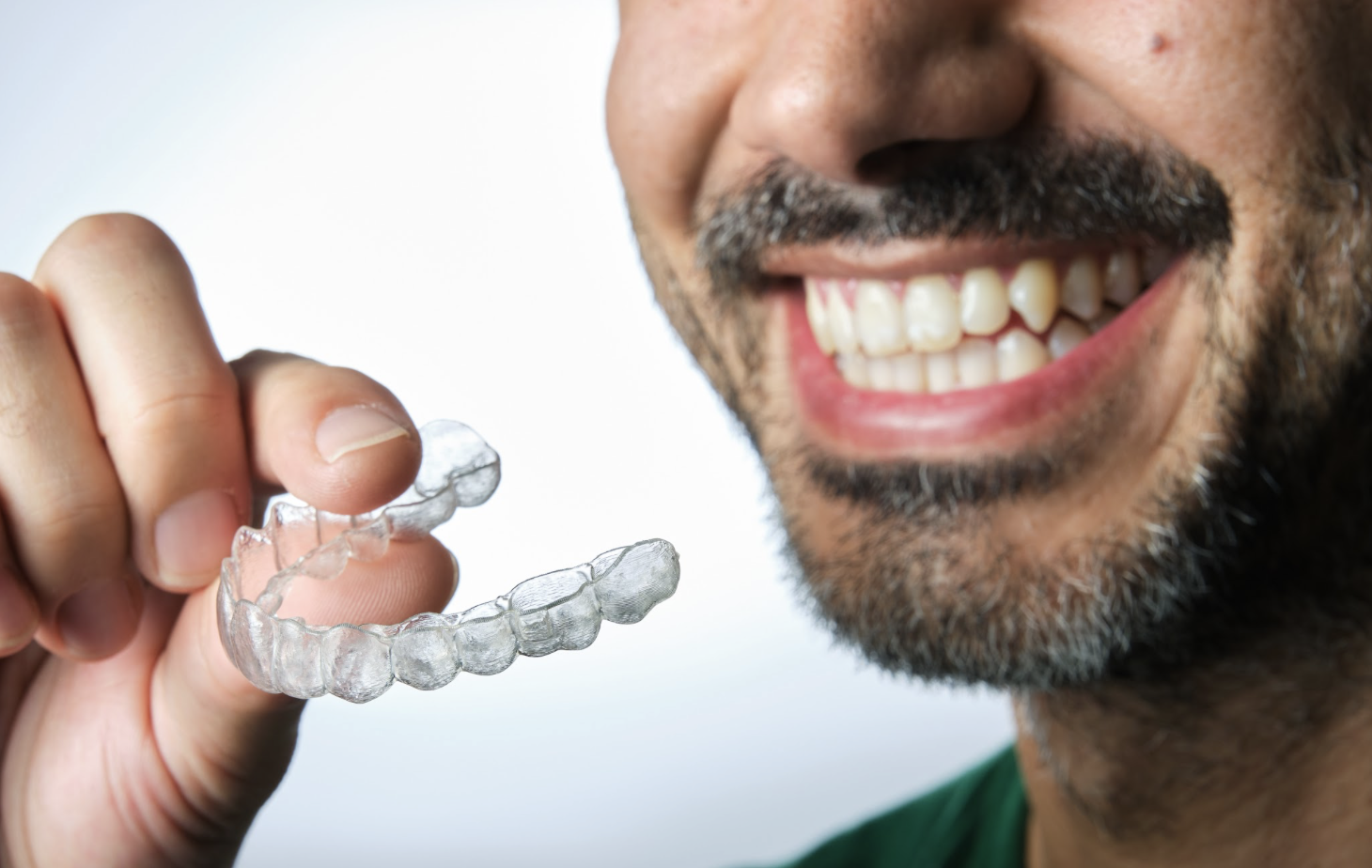
- Examine your teeth, gums and bite.
- Review your dental and medical history.
- Take photographs, x-rays or digital scans where clinically necessary.
- Discuss suitable orthodontic treatment options.
- Explain the expected treatment process, potential risks, limitations and costs.
If clear aligners are suitable, your dentist can develop an individualised treatment plan based on your clinical needs. An in-person assessment and ongoing professional supervision are important for safe orthodontic care. Moving teeth without appropriate dental assessment or monitoring can lead to complications, particularly when existing dental or gum problems haven't been identified.
For further information, see Orthodontics Australia's comparison of treatment options.
How Long Do You Wear Clear Aligners Each Day?
Clear aligners generally need to be worn for approximately 20–22 hours each day, or as directed by your dentist. You should usually remove them when eating or drinking anything other than water. Drinking sugary or acidic beverages while wearing aligners can increase the risk of tooth decay and enamel damage.
To care for your aligners, we recommend the following:
- Clean them twice daily, following your dentist's instructions.
- Brush and floss your teeth regularly.
- Remove your aligners before meals and drinks other than water.
- Store them safely in their case when they're not being worn.
- Follow the recommended schedule for changing aligners.
Consistent wear is important. Not wearing your aligners as directed may delay treatment or affect the planned tooth movements.
How Long Does Clear Aligner Treatment Take?
Treatment time varies depending on the complexity of your orthodontic needs, the movements required and how consistently you wear your aligners. Some people may need several months of treatment, while others may require a year or longer. Additional aligners or adjustments may also be necessary as treatment progresses.
Your dentist will provide an estimated timeframe after assessing your teeth and developing a treatment plan. However, treatment duration and outcomes cannot be guaranteed. Once active treatment is complete, retainers are generally required to help maintain the new tooth positions. Without appropriate retention, teeth can gradually shift over time.